
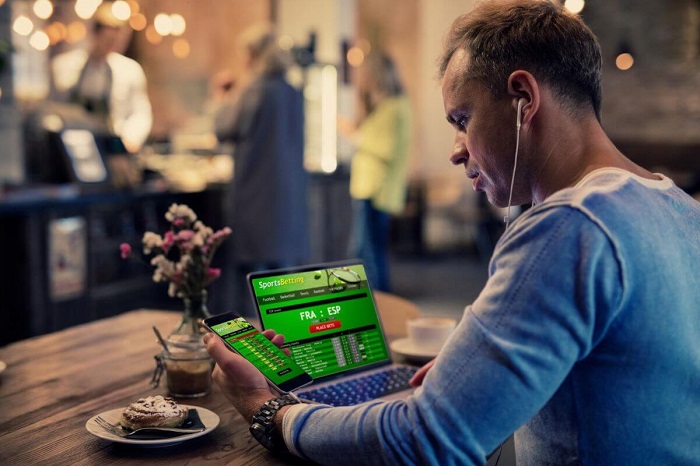
Not long ago, placing a sports bet required deliberate planning. A bettor had to either travel to a physical brick-and-mortar casino or sit upright in front of a desktop computer, tethered to an Ethernet cable, navigating a dense spreadsheet of numbers. The entire process felt insular and transactional. It demanded dedicated time, a certain level of technical tolerance, and an understanding of obscure betting jargon that frequently alienated casual sports fans.
The arrival of the modern smartphone dismantled that dynamic. Over the past decade, mobile technology has done far more than shrink a website to fit a five-inch screen; it has completely reorganized how sports enthusiasts interact with live events. By collapsing physical distances, eliminating administrative hurdles, and translating complex mathematical odds into clean visual interfaces, mobile innovation has turned sports wagering into an intuitive, ambient layer of modern digital entertainment.
Erasing Geographic and Temporal Boundaries
The most apparent contribution of mobile technology is continuous availability. Physical sportsbooks and desktop portals inherently tied betting to fixed locations. A fan attending an NFL game in person or watching a baseball match at a local sports bar had no practical way to act on a spontaneous observation unless they were willing to abandon their seat or carry a laptop.
Smartphones replaced those physical limits with ambient accessibility. Today, high-speed cellular networks and localized Wi-Fi coverage allow sports fans to participate from virtually anywhere within a regulated state. This shift has altered user behavior. Instead of sitting through extended, hour-long desktop betting sessions before a match begins, modern bettors engage through brief, frequent micro-interactions. They check a line during a television commercial break, track score swings on their morning transit commute, or verify an open position while waiting in line for a drink. The activity has transitioned from an isolated destination into a secondary screen that runs parallel to everyday life.
Frictionless Onboarding and Payment Rails
In the desktop era, the gap between deciding to place a wager and actually locking in a ticket was filled with friction. Prospective users were routinely forced to navigate cumbersome account creation flows, wait days for compliance officers to verify identity documents, and input sixteen-digit card numbers into dated checkout portals. Every extra step represented a drop-off point where potential players simply gave up.
Modern mobile operating systems resolved these bottlenecks by integrating secure hardware and automated validation directly into the device.
Biometric Security and Instant Identity Checks
Registering on a mobile sportsbook no longer requires photographing a utility bill and waiting for manual approval. Modern platforms deploy automated application programming interfaces (APIs) that run in the background during account creation. These systems cross-reference identity databases, tax identifiers, and public registries within seconds.
Once an account is established, biometric authentication tools like facial recognition and fingerprint scanning replace the hassle of remembering complex passwords. A user can unlock their application, authenticate their identity, and access their balance with a single glance. Crucially, this convenience does not come at the expense of security. Biometric validation provides superior defense against credential stuffing and unauthorized account access, giving users confidence that their balances remain secure.
Native Digital Wallets and Instant Liquidity
The financial layer of online wagering has seen an equally profound transformation through native mobile payment integrations. By supporting options such as Apple Pay, Google Pay, and instant open-banking rails, sportsbooks allow users to fund their accounts without manually typing financial credentials into an open browser window.
Equally vital is the handling of withdrawals. In previous decades, receiving winnings often meant waiting business days for an electronic funds transfer or even waiting for a physical paper check in the mail. Today, mobile integrations with real-time debit clearing networks allow bettors to withdraw funds back to their checking accounts within minutes of a game ending. When players know their money is liquid and immediately accessible, the perceived risk of engaging with an online platform diminishes significantly.
Cognitive Simplicity: Redesigning the Oddsboard
Early online sportsbooks mirrored financial trading terminals. They presented dense, intimidating walls of text filled with decimal notations, minus signs, and fragmented abbreviations that offered little context to the uninitiated. Navigating these platforms felt like parsing raw database tables.
Mobile product design forced operators to rethink this presentation entirely. Constrained by the physical dimensions of a smartphone glass display, interface architects had to adopt principles of progressive disclosure and visual hierarchy. Instead of overwhelming the user with every conceivable proposition market at once, mobile applications categorize options into clean, swipeable carousels.
Modern bet builders use intuitive visual modules. Combining multiple legs into a same-game parlay is as straightforward as toggling buttons on an interactive card, with total odds and projected payouts calculating instantly on screen. Furthermore, mobile applications leverage behavioral personalization to surface the games, teams, and leagues a user actually follows. If a bettor exclusively wagers on NBA player props, their home screen prioritizes those markets over foreign soccer leagues or secondary golf tournaments. By trimming away informational clutter, mobile software makes the wagering process accessible to anyone who understands the fundamentals of the sport.
Real-Time Responsiveness and Live In-Play Markets
Traditional wagering relied heavily on pre-game action. Once the opening whistle sounded, betting windows slammed shut, leaving participants to watch passively until the final horn.
Mobile technology transformed this dynamic by driving the explosive rise of in-play micro-betting. Backed by high-speed mobile data and edge computing, sportsbooks now push live, recalculating odds to devices within fractions of a second. Bettors can wager on whether a quarterback will complete his next pass, whether a baseball plate appearance will end in a strikeout, or which basketball squad will reach twenty points first.
Push notifications play an indispensable role in this ecosystem. Calibrated alert engines notify users of sudden momentum shifts, key player injuries, or settled tickets in real time. Rather than demanding constant attention, the application surfaces relevant information at the exact moment it matters, allowing the fan to make timely, educated decisions without spending hours tracking statistics across third-party websites.
Seamless Regulatory Compliance via Background Geofencing
One of the steepest regulatory challenges in the United States is proving that a bettor is physically located inside a legal jurisdiction. On desktop computers, this requirement historically led to frustrating experiences, requiring players to install bulky third-party browser plugins that frequently misidentified locations near state borders.
Smartphones resolved this operational obstacle natively. Onboard GPS receivers, cellular tower triangulation, and local Wi-Fi beacon mapping allow mobile applications to confirm a user’s physical coordinates with pinpoint accuracy. This verification occurs quietly in the background without interrupting the betting flow, ensuring absolute compliance with state laws while maintaining an uninterrupted user experience.
Bringing Player Protection Directly to the Screen
Accessibility is often discussed solely in terms of convenience and speed, but responsible gaming tools represent an equally essential dimension of modern platform design. In a digital environment where a wager is always a few taps away, providing immediate, accessible self-regulation tools is paramount.
Mobile technology makes consumer protection measures an integrated part of the interface rather than an obscure sub-page buried in terms and conditions. Players can easily configure:
-
Daily, weekly, and monthly deposit thresholds
-
Session time limits that prompt automated cool-off reminders
-
Loss limits that cap maximum downside exposure over defined periods
-
One-touch self-exclusion tools that instantly restrict account access across devices
Placing these safeguards directly into the primary account menu ensures that players retain full control over their engagement. When boundaries are clear, transparent, and easy to adjust, the entertainment remains balanced and sustainable.
The Normalization of Digital Wagering
Mobile technology did not simply alter how bets are submitted; it fundamentally normalized sports betting within broader entertainment culture. By removing physical boundaries, simplifying complex interfaces, and providing frictionless, secure transactions, the smartphone transformed wagering from a specialized hobby into a mainstream, interactive companion to live sports. As continuous advancements in mobile processing, network speeds, and personalized software continue to emerge, the barriers between watching a game and actively participating in its narrative will only become more seamless.
