
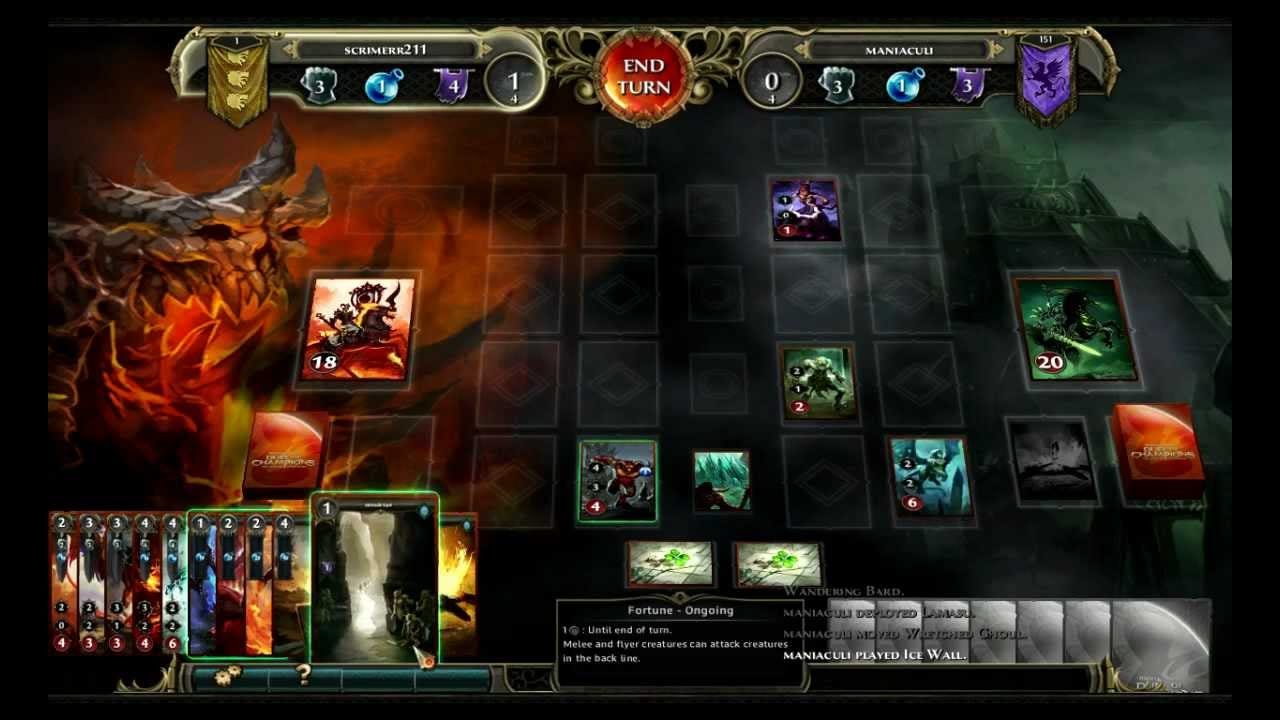
Digital card games have reshaped how people play, compete, and connect. What began as a digital translation of tabletop mechanics has evolved into always-on ecosystems where gameplay, content creation, and social interaction are tightly woven together. Today, these games thrive not only because of smart design, but because of the online communities that sustain them.
The Evolution of Digital Card Games
Early digital card games focused on replicating physical rulesets. Modern titles, however, embrace mechanics that only software can deliver—automated rule enforcement, live balance updates, and global matchmaking.
Key shifts include:
-
Dynamic card design with effects that update over time
-
Frequent expansions delivered digitally instead of physically
-
Cross-platform play, enabling mobile and desktop users to compete together
This evolution lowered the barrier to entry while increasing long-term engagement.
Why Online Communities Matter
Digital card games rarely succeed in isolation. Their longevity depends on the communities that grow around them.
Social Interaction Beyond the Match
Online communities provide spaces where players can:
-
Share deck ideas and strategies
-
Discuss balance changes and meta shifts
-
Celebrate wins, tournaments, and creative plays
These interactions turn a solo queue experience into a shared cultural space.
Learning and Skill Development
For new players, community-driven knowledge is invaluable. Tutorials, guides, and discussions shorten the learning curve and make complex systems more approachable.
Common community learning tools include:
-
Strategy write-ups and tier lists
-
Gameplay breakdowns and commentary
-
Peer feedback on deck construction
Competitive Play and Community Identity
Competitive scenes play a major role in shaping online communities. Ranked ladders, leagues, and tournaments create shared goals that unite players.
Competitive communities often develop:
-
Recognizable playstyles and philosophies
-
Influential players who shape the meta
-
Event-driven engagement spikes during major tournaments
Even casual players benefit, as competitive insights often trickle down into broader discussions.
Content Creation as a Community Engine
Streaming platforms, video sharing sites, and social media have amplified the reach of digital card games. Content creators act as bridges between developers and players.
Their impact includes:
-
Translating patch notes into practical advice
-
Entertaining audiences with creative or unconventional decks
-
Humanizing the game through personality and storytelling
This creator-driven layer keeps communities active even between major updates.
Moderation, Culture, and Inclusivity
Healthy online communities don’t form by accident. Clear guidelines and active moderation help foster spaces that are welcoming rather than toxic.
Strong communities typically emphasize:
-
Respectful discussion and sportsmanship
-
Support for new and returning players
-
Zero tolerance for harassment or cheating
When players feel safe and valued, engagement becomes sustainable.
The Future of Digital Card Game Communities
As technology advances, community interaction is becoming more integrated into the games themselves. In-game chat systems, social hubs, and collaborative events reduce reliance on external platforms.
Looking ahead, expect:
-
Deeper social features built directly into gameplay
-
More player-driven events and formats
-
Stronger feedback loops between developers and communities
The line between game and community will continue to blur.
Frequently Asked Questions
What makes digital card games different from physical card games?
Digital card games automate rules, allow rapid updates, and support mechanics that aren’t possible in physical formats, such as real-time effects and live balance changes.
How do online communities help new players?
Communities provide guides, advice, and encouragement, helping newcomers understand mechanics and improve without feeling overwhelmed.
Are competitive players necessary for a healthy community?
Yes, competitive players often drive strategy discussions and innovation, but casual players are equally important for maintaining diversity and approachability.
How do content creators influence digital card games?
They shape trends, explain complex systems, and keep interest high through entertainment and education.
What challenges do online card game communities face?
Common challenges include toxicity, misinformation, and burnout during prolonged competitive seasons.
Can digital card game communities exist without social media?
They can, but social media and forums significantly amplify communication, discovery, and long-term engagement.
What trends will shape these communities in the next few years?
Deeper in-game social tools, community-led events, and more transparent developer communication are likely to define the next phase.
