
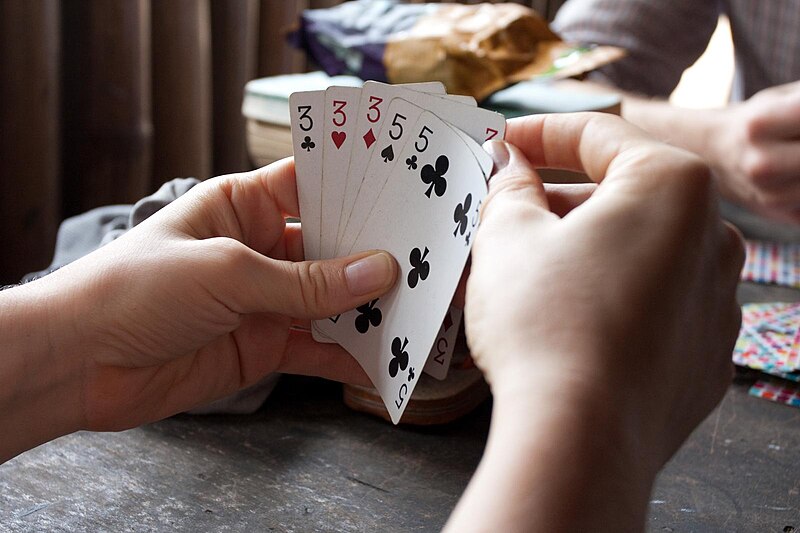
Card games have been enjoyed for centuries, blending skill, chance, and social interaction into a form of entertainment that transcends cultures and generations. Whether you are playing casually at home, sharpening your mind with strategic moves, or competing in tournaments, card games offer something for everyone. In this article, we will explore the fascinating world of card games in detail, highlighting their history, categories, strategies, and cultural significance.
History of Card Games
The origin of card games can be traced back to ancient China during the Tang dynasty, where early forms of playing cards were documented. From there, they spread to Persia, India, and eventually to Europe in the late Middle Ages. Each culture adapted the deck to suit its own customs, leading to the suits, symbols, and styles we recognise today. By the 15th century, card games had become a staple of European entertainment, paving the way for countless variations we still enjoy.
Types of Card Games
Card games can be broadly divided into categories, each with unique rules and goals. Understanding these helps players select the right game for their preferences.
Trick-Taking Games
In these games, players compete to win rounds, known as tricks, by playing the highest-ranking card or following specific rules. Classic examples include Whist and Bridge. Strategy is essential, as players must anticipate opponents’ moves and manage their hand wisely.
Matching Games
Matching games involve forming sets or pairs, often with simple rules that make them ideal for families and casual gatherings. Rummy and Go Fish are common examples, where observation and memory skills play a vital role.
Shedding Games
The aim of shedding games is to discard all cards before your opponents do. Uno and Crazy Eights are familiar examples, with rules that encourage quick thinking and adaptability.
Accumulating Games
In accumulating games, players collect as many cards or points as possible. Games like War or Slapjack fit into this category, often appealing to younger players due to their fast pace.
Solitaire Games
Designed for a single player, Solitaire and its many variations test patience, logic, and planning. They are especially popular for digital play on computers and mobile devices.
Casino-Style Games
Many card games are linked with casinos, where stakes are higher and strategies more advanced. Poker and Blackjack stand out as skill-based games that combine probability, psychology, and betting tactics.
Essential Strategies for Card Games
Regardless of the type of card game, a few strategies can elevate your performance and enjoyment.
-
Learn the rules thoroughly: Mastery begins with understanding how the game works, from scoring to penalties.
-
Observe opponents: Paying attention to body language, hesitation, and card choices offers insight into their strategy.
-
Manage your hand: Deciding when to play strong cards or hold them back can determine the outcome.
-
Think ahead: Anticipate several moves, especially in strategic games like Bridge or Poker.
-
Adapt quickly: Every round is different, and flexibility is often more valuable than rigid planning.
Social and Cognitive Benefits of Playing
Card games are not just about entertainment; they offer measurable benefits:
-
Cognitive skills: Enhance memory, focus, and problem-solving abilities.
-
Mathematical thinking: Games like Blackjack improve probability calculations and risk assessment.
-
Social interaction: Shared experiences foster connections, making card games a favourite activity for families and friends.
-
Stress relief: Casual play encourages relaxation and laughter.
The Role of Technology in Modern Card Games
Technology has transformed card games into global phenomena. Online platforms and mobile apps allow players to connect worldwide, competing in real-time or casually at their own pace. Digital versions also introduce interactive tutorials, making it easier for beginners to learn complex rules. While traditional decks remain cherished, digital play has expanded accessibility and popularity.
Cultural Significance of Card Games
Card games hold symbolic importance across cultures. In Europe, games like Bridge are associated with sophistication, while in Asia, Mahjong cards reflect cultural traditions. Festivals, family gatherings, and social clubs often feature card play, reinforcing its role in cultural identity.
Hosting a Card Game Night
Organising a card game night can be a rewarding way to bond with friends and family. Consider the following tips:
-
Choose inclusive games: Select games suitable for both beginners and experienced players.
-
Set clear rules: Ensure everyone understands the scoring system before starting.
-
Create the right atmosphere: Comfortable seating, snacks, and background music enhance the experience.
-
Keep it light-hearted: Encourage laughter and camaraderie, even in competitive settings.
Card Game Etiquette
Good manners ensure that everyone enjoys the game.
-
Respect the rules and avoid disputes.
-
Do not reveal your cards or comment on others’ hands during play.
-
Keep distractions minimal, particularly in strategic or competitive games.
Popular Card Games Around the World
-
Poker: A blend of chance and skill, widely played in casual and professional environments.
-
Bridge: Known for its depth, often played in clubs and international tournaments.
-
Rummy: A family favourite, with countless variations across countries.
-
Hearts and Spades: Trick-taking games that combine luck and planning.
-
Solitaire: Universally popular for solo play.
How to Improve at Card Games
Improvement comes with practice and reflection. Try these methods:
-
Play regularly: Experience sharpens decision-making.
-
Study strategies: Books and tutorials can introduce advanced techniques.
-
Review past games: Reflecting on mistakes helps prevent repetition.
-
Experiment with variations: Different rule sets broaden skills and adaptability.
FAQs about Card Games
What is the easiest card game to learn for beginners?
Go Fish and Crazy Eights are among the simplest, making them ideal for children and newcomers.
How many card games exist worldwide?
There are thousands of variations, with new ones emerging as players invent or modify rules.
Can card games improve mental health?
Yes, they encourage relaxation, reduce stress, and stimulate the brain through problem-solving and strategy.
What is the most popular single-player card game?
Solitaire, particularly the Klondike variation, is the most widely played solo card game.
How do cultural differences influence card games?
Cultural traditions shape rules, symbols, and rituals. For example, Eastern decks often differ in suits and themes compared to Western decks.
Are online card games as beneficial as traditional play?
Yes, online play provides accessibility and variety, though traditional play fosters more direct social interaction.
